
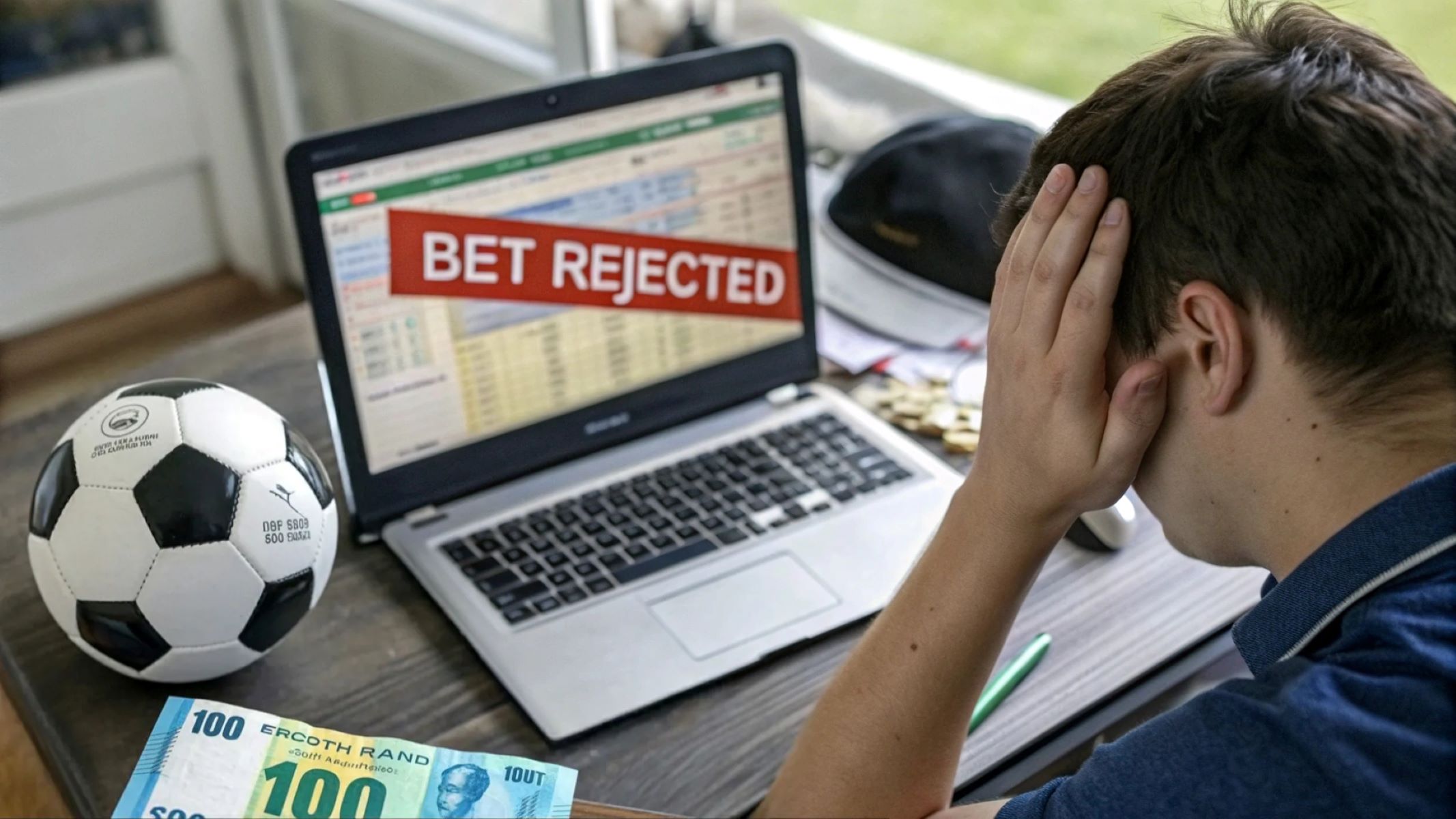
What Is a Bet Rejection and Why It Happens
Betting is supposed to be thrilling, right? You pick your odds, place your stake, and wait for the magic to happen. But what if — just as you hit “place bet” — the bookmaker says, “Nope, not taking that bet.” Frustrating? Absolutely. But it happens. In this article, we’re diving deep into bet rejections — what they are, why they happen (especially in South Africa), and how you can avoid them like a pro.
Understanding Bet Rejection: The Basics
A bet rejection occurs when a sportsbook or bookmaker refuses to accept a wager you’ve attempted to place. This can happen for a number of reasons, but at its core, it means your bet doesn’t go through—either entirely or not in the way you intended. For casual bettors, this can be frustrating, especially if it happens during high-stakes moments or live betting when time and odds are constantly shifting. What adds to the confusion is that many betting platforms don’t always give clear explanations, leaving punters wondering what went wrong.
One of the most common causes of bet rejection is related to fluctuating odds. In fast-paced markets—like live football or cricket—odds can shift every few seconds. If you try to place a bet at one set of odds, but those odds change before the bookmaker processes your request, the system might automatically reject it. In some cases, the bookmaker will offer you the option to accept the updated odds, but if not, your bet won’t go through at all. This feature is built in to protect both the player and the bookmaker from discrepancies in value during high-traffic betting windows.
Another frequent trigger for rejection is when a bettor attempts to place a stake outside the acceptable limits. Each bookmaker sets minimum and maximum bet amounts depending on the sport, market, and type of bet. If your wager is too high for that particular market or exceeds your account’s preset limits, the bookmaker may block the bet completely or partially accept a lower amount. Similarly, some platforms automatically reject bets from accounts that have not completed identity verification or have restrictions in place due to previous unusual betting patterns.
Lastly, technical and strategic reasons also come into play. Some sportsbooks use algorithms to detect suspicious behavior such as arbitrage betting, bonus abuse, or unusually consistent wins. In such cases, even if a bet appears fair and within the rules, the system may flag and reject it. Manual reviews by traders might also delay or prevent bet acceptance. These security layers are designed to maintain fairness and reduce the risk of fraud, but they sometimes penalize skilled or lucky players, leading to a complex dynamic between bettors and the platforms they use.
Why Bet Rejections Happen in South Africa
- South Africa enforces strict gambling laws that all bookmakers must follow. These laws are regulated by provincial gambling boards, and any deviation from licensed practices may lead to automatic bet rejection. If your bet involves markets or events that are not legally approved within the jurisdiction, it may be considered unlawful, leading to refusal by the sportsbook system. This includes betting on unlicensed offshore events, placing wagers from jurisdictions that are blocked by the bookmaker, or attempting to engage in bets that go against national gambling legislation. Even if the bettor is unaware of the breach, the system will automatically detect and reject the wager.
- Odds fluctuation is a common issue that leads to many bets being declined. Odds in live or high-demand events can change in a matter of seconds, and if you place your bet at a time when those odds are no longer valid, the platform will reject the wager. This typically happens during live matches or fast-paced sports where bookmakers update odds in real-time using automated systems. Bettors might also face this problem due to slow internet connections or delayed updates on their app or browser. By the time you hit “place bet”, the odds might already be outdated, triggering a rejection or a prompt to accept the revised odds.
- Stake limits play a big role in bet rejections across South African sportsbooks. Every platform enforces both minimum and maximum stake thresholds to control risk and manage liquidity. If you try to bet below the minimum or above the maximum allowed for a particular event or market, the bookmaker will refuse the bet. These limits vary depending on the sportsbook, the sport, and even the popularity of the event. For example, Hollywoodbets might allow a R1 minimum bet with variable maximums, while Betway South Africa enforces a R5 minimum and dynamically adjusts maximums based on the bet type. Exceeding these predefined amounts often leads to partial acceptance or total rejection of the wager.
- Bettors who consistently win or exploit market inefficiencies may also find their bets rejected. While it sounds unfair, sportsbooks are profit-driven businesses that monitor user behavior through advanced algorithms. If your account shows signs of arbitrage betting, frequent exploitation of mispriced odds, or an unusually high win rate, your profile could be flagged as high-risk. This often results in limitations being placed on the account. Affected bettors may experience stake restrictions, additional manual reviews before bets are confirmed, or outright rejection of specific wagers, particularly those perceived to carry higher risk for the bookmaker.
- Identity verification issues are another frequent cause of bet rejection in South Africa. Under national gambling regulations, all users must complete KYC (Know Your Customer) procedures, which include submitting identity documents, proof of residence, and banking verification. If your account hasn’t completed these steps, or if there are discrepancies in the information provided, your bets may be blocked. Bookmakers are legally obligated to ensure that all users are genuine and eligible to gamble. If anything appears suspicious or incomplete—such as mismatched ID details or betting from an unverified location—the system is programmed to halt any transactions, including wager placements.
Common Scenarios That Trigger Bet Rejection
| Scenario | What Happens | Why It Happens | System Response | How to Avoid It |
| Live Betting Delay | You try to place a bet during a live game, but the odds change before confirmation. | Odds shift in real time as the game progresses; you’re betting on outdated prices. | Bookmaker displays a “Bet Not Accepted” or “Odds Changed” prompt. | Always confirm updated odds manually; enable auto-accept if available. |
| Too Many Acca Selections | You build a massive accumulator (parlay) with too many legs and the bet fails. | Increased risk to the bookmaker; conflicting or restricted markets may be included. | The entire accumulator bet is rejected or flagged for manual review. | Keep acca selections under 10 legs; avoid mixing unusual market types. |
| Market Closure | You select a market that’s just been suspended or closed by the sportsbook. | Markets close suddenly due to a game-changing event (goal, injury, etc.). | System instantly blocks the wager or prevents market selection. | Refresh your bet slip before confirming during live betting. |
| Mismatched Stake/Limit | You enter a stake that’s too high or low for that specific market. | Bet exceeds platform’s min/max stake rules; varies by event and odds. | Bet is declined or partially accepted with adjusted stake. | Check stake limits on specific markets before placing bets. |
| Slow Internet Connection | You press “Place Bet,” but your connection lags and odds have already updated. | Device or network lag prevents real-time syncing of betting data. | Odds rejection or system timeout; bet is not placed. | Use a stable, high-speed internet connection; avoid mobile lag. |
Bet Rejections: System Error or Strategy?
While it’s easy to assume that every bet rejection is just a harmless technical hiccup, the truth is a bit more complicated. In many cases, rejections are deliberate actions by bookmakers, especially when certain types of betting behavior are detected. Bookmakers use sophisticated algorithms and risk-management tools to monitor bets in real time. If a user appears to have an edge — such as placing bets milliseconds before an odds change or consistently backing undervalued markets — the system might intervene, not to protect the bettor, but to protect the house.
Some sportsbooks implement strategic slowdowns in how quickly bets are accepted or processed. This isn’t always a system fault — it can be a calculated delay. When a bettor is flagged as potentially sharp (meaning skilled or using betting software/tools), the platform may intentionally delay the bet confirmation to allow time for odds to adjust or for a human trader to step in. In these moments, the odds might be changed, the market suspended, or the stake reduced without clear explanation, leaving the bettor frustrated and at a disadvantage.
One common tactic is to require manual trader review. This means that instead of instantly accepting the wager, the system holds it for human verification. While this might sound like due diligence, it often serves as a buffer against bets that the platform views as risky. Bettors may experience this when placing large wagers, betting on niche markets, or frequently winning. It adds friction to the process and can ultimately lead to bet rejection, especially if market conditions shift before the review is complete.
Ethically, this practice walks a fine line. Technically, bookmakers are within their rights to accept or reject any bet at their discretion, according to their terms and conditions. But from the bettor’s perspective, it can feel manipulative — especially when these interventions are not transparent. In reality, it’s not always about system glitches — it’s often about control. The sportsbook wants to stay one step ahead, and sometimes, that means saying no to bets that are just a little too good.
How to Reduce the Chance of Bet Rejection
- Always take a moment to confirm the odds before you hit that “Place Bet” button. This might sound like basic advice, but it’s one of the most common reasons bets get rejected — especially in live betting situations. Odds can change in an instant, and if you’re not paying attention, you might be betting on numbers that are no longer valid. Most bookmakers offer a setting to auto-accept odds changes, but even then, it’s smart to double-check. By confirming that you’re placing your wager at the correct, current odds, you’re minimizing the risk of last-second rejections that come from outdated or mismatched pricing.
- Avoid diving into unfamiliar or highly obscure betting markets unless you’re absolutely sure what you’re doing. Bookmakers monitor user activity, and if your account suddenly starts placing bets on niche events or markets they deem irregular — like amateur-level table tennis or unknown esports tournaments — it might trigger automated fraud detection systems. This doesn’t mean you’re doing anything wrong, but from the platform’s perspective, it’s a red flag. Focusing on major markets like football, cricket, rugby, and tennis (especially those listed prominently on South African sportsbooks) reduces the likelihood of a rejection caused by internal market restrictions or risk-control flags.
- Be mindful of your bet size and the limits tied to each market. Even if you have a large bankroll or are chasing a big win, slamming down massive stakes — particularly on events with lower liquidity or smaller popularity — can cause your bet to get rejected or flagged for manual review. South African sportsbooks all have upper and lower boundaries for bets, and exceeding those limits, even unintentionally, often results in a refusal. Try to stay within reasonable amounts that align with typical betting behavior. Large bets are better placed on well-known, high-traffic markets where higher limits are allowed and expected.
Betting Platforms in South Africa: Rejection Behavior Compared
| Platform | Is Bet Rejection Common? | Manual Review Required? | Strict Stake Limits? | Live Bet Delay Level |
| Hollywoodbets | Occasionally — especially on niche markets or sharp betting patterns | Yes — especially for large or unusual bets | Yes — strict on low-liquidity markets and promos | Yes — can experience 3–5 second delays |
| Betway South Africa | Rare — mostly seen with volatile in-play odds or technical glitches | Sometimes — only for high-risk profiles or large stakes | Yes — varies by market and account activity | Moderate — around 2–3 seconds typical |
| Supabets | Sometimes — particularly with promotions or accumulator bets | Yes — aggressive review system for suspected bonus abusers | Yes — especially strict on accumulator bets and system bets | High — delays of up to 5 seconds in live matches |
| Sportingbet South Africa | Rare — mostly seamless betting experience with major markets | No — bets generally go through without manual checks | Yes — some limits apply but are higher than average | Low — near-instant live bet confirmation |
| Gbets | Occasionally — often tied to system errors or odds changes | Yes — large or last-minute bets are reviewed | Yes — stricter limits during promotions and high-odds bets | Moderate — 2–4 second delay depending on event load |
| Playabets | Sometimes — especially when betting on underdog outcomes | Yes — most flagged bets go through internal risk team | Yes — highly cautious with first-time users | High — up to 6-second delays in peak betting hours |
| Bet.co.za | Rare — stable system with minimal intervention | No — most bets are accepted instantly | Yes — although casual punters won’t usually notice | Low — among the fastest for live markets |
| Lulabet | Occasionally — mostly technical or odds-related rejections | Sometimes — for very high bets or suspicious patterns | Yes — dynamic stake limits apply | Moderate — delay of 2–3 seconds common in live betting |
| World Sports Betting (WSB) | Sometimes — especially with boosted odds or VIP bets | Yes — especially if betting history shows value betting | Yes — firm limits on fringe sports | Moderate — delays vary but usually under 4 seconds |
Is Bet Rejection Always a Bad Thing?
Not necessarily. While having your bet rejected can be frustrating in the heat of the moment—especially when you’re confident in your pick—it’s not always a negative outcome. In fact, there are several instances where a rejected bet can work in your favor or serve as a form of protection from making a costly error. Betting platforms are not just trying to block you from winning; they’re also managing risk, maintaining integrity, and preventing potential abuse of the system.
One of the most common reasons for a bet rejection is outdated odds. Odds can shift rapidly, especially in live betting scenarios where the situation on the field changes by the second. If you’re trying to place a bet based on odds that have already moved, the sportsbook might reject it rather than allowing a wager that no longer reflects real-time conditions. This protects both the operator and the player from unintentional mismatches between risk and reward. It’s essentially the system telling you that the terms have changed—giving you a chance to reassess before committing.
Another valid reason for rejection could be that the market has already closed. For example, if you’re trying to bet right as a football match is about to kick off, or a cricket over is ending, the window may have closed. Rather than letting your bet go through during that tiny, ambiguous moment and causing a dispute later, the sportsbook simply blocks the attempt. Similarly, if a market is suspended due to VAR decisions, injuries, or technical glitches, bets may be auto-rejected until the situation stabilizes. In this case, the rejection is simply part of maintaining fairness and transparency.
Suspicious or abnormal betting activity is another major trigger. If you or a group of players suddenly start placing identical, unusually high-stakes bets on an obscure market, the sportsbook’s algorithms might flag the action for review. That’s not necessarily about you doing something wrong—it could also be a response to potential insider information, account compromise, or coordinated betting. Rejection in this scenario is more about security than censorship. It allows the operator to freeze potentially problematic wagers until everything checks out. So, while annoying, it could prevent larger issues like account lockouts or balance freezes later on.